

Serving The Greater
Houston Area


EV Charger Installation Cost in Houston: What to Budget for Your Home
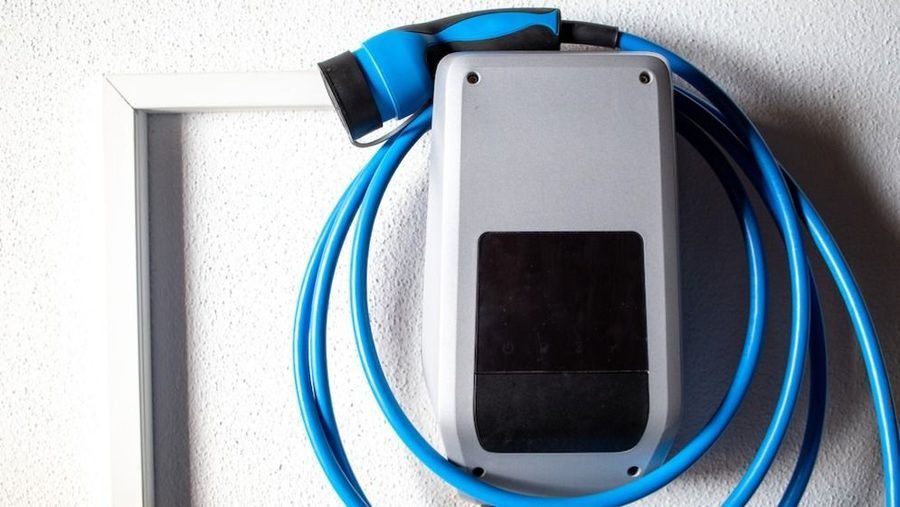
Installing a Level 2 EV charger at home can make daily charging much more convenient, but the total cost depends on more than the charger itself. Houston homeowners also need to account for electrical capacity, wiring distance, panel condition, installation method, permits, and any upgrades needed to support the new circuit safely.
In this guide, you will learn what affects EV charger installation cost in Houston, which projects stay relatively simple, and what can turn a basic installation into a larger electrical job. The goal is to help you build a realistic budget before you buy equipment or schedule installation.
How Much Does Home EV Charger Installation Cost in Houston?
West Houston Electric currently lists a typical EV charger installation or replacement range of about $767 to $1,349 for qualifying projects. More complex installations can cost more when the home requires a long wiring run, new conduit, panel modifications, additional electrical capacity, difficult access, or other supporting work.
That means the charger itself is only one part of the budget. A homeowner with an EV-ready garage and available electrical capacity may have a relatively simple installation, while another homeowner may need additional work before the charger can be connected.
The final price usually depends on a combination of:
-
Charger output
-
Distance from the electrical panel
-
Panel capacity
-
Wiring and conduit
-
Hardwired or plug-in installation
-
Permit requirements
-
Electrical upgrades
-
Installation location
The best way to estimate cost is to evaluate the home and the charging equipment together.
Does the Type of EV Charger Affect Installation Cost?
Yes. Residential EV charging is generally divided into Level 1 and Level 2 charging.
Level 1 charging uses a standard household outlet and typically requires little or no dedicated installation. It is also much slower, which is why many EV owners choose Level 2 charging for everyday home use.
Level 2 chargers usually operate on a 240-volt circuit and can provide significantly faster charging. Installing one often requires a dedicated breaker, appropriately sized wiring, and either a hardwired connection or a compatible receptacle.
The charger’s maximum amperage also matters. A higher-output charger may require a larger circuit and more electrical capacity than a lower-output model.
This is why two Level 2 chargers that look similar can have different installation requirements.
Can Your Existing Electrical Panel Handle an EV Charger?
The electrical panel is one of the biggest variables in the cost of a home EV charger project.
Before installation, an electrician should evaluate whether the existing service has enough capacity for the additional load.
That review may include:
-
Panel rating
-
Service size
-
Available breaker space
-
Existing household demand
-
Charger amperage
-
Air conditioning load
-
Electric water heating
-
Electric ranges or dryers
-
Pool equipment
-
Other planned electrical additions
An empty breaker slot does not automatically mean the home has enough electrical capacity.
A panel may have room for another breaker while the overall electrical service is already close to its practical limit. That is why a load calculation is more useful than simply looking for open spaces inside the panel.
If the home has adequate capacity, the installation may remain straightforward. If capacity is limited, the electrician may need to discuss load management, panel modifications, or a service upgrade.
Why Does the Distance From the Panel to the Charger Matter?
The farther the charger is from the electrical panel, the more wire, conduit, labor, and routing work the installation may require.
A charger mounted a few feet from a garage panel may involve a short circuit run. A charger installed on the opposite side of the house may require wiring through walls, an attic, exterior conduit, or other difficult areas.
Cost can be affected by:
-
Total circuit length
-
Wall and ceiling access
-
Conduit requirements
-
Attic access
-
Exterior routing
-
Detached garages
-
Charger mounting location
-
Required wire size
Finished walls can also add complexity because the electrician may need to find a route that minimizes unnecessary damage while still meeting electrical requirements.
This is one reason online estimates can only go so far. The physical layout of the property has a major impact on labor and material costs.
Is a Hardwired EV Charger More Expensive Than a Plug-In Charger?
It depends on the project.
A hardwired charger connects directly to the dedicated electrical circuit. A plug-in charger uses an appropriately installed receptacle designed for the equipment.
Both can be valid installation methods when they match the charger manufacturer’s requirements and the electrical system.
A plug-in setup may require:
-
A compatible receptacle
-
A proper electrical box
-
Circuit protection
-
Correct wiring
-
Appropriate placement
A hardwired setup eliminates the receptacle but still requires the dedicated circuit and proper electrical connection.
The final cost depends more on the complete installation than on the connection style alone.
Homeowners should also consider whether they expect to replace or relocate the charger later. A plug-in unit may offer more flexibility in some situations, while hardwiring may be preferred or required for other equipment.
When Does an EV Charger Installation Require a Panel or Service Upgrade?
A panel or service upgrade may be needed when the existing electrical system cannot safely support the charger.
This is more likely when:
-
The service is already heavily loaded
-
The panel is outdated or damaged
-
There is insufficient electrical capacity
-
The homeowner wants a higher-output charger
-
Other major electrical loads have recently been added
-
Additional future loads are planned
For example, a home with central air conditioning, an electric range, electric water heating, a pool, and other major appliances may have less available capacity than a similar home with gas appliances.
A full service upgrade is not always the only option. In some homes, load-management equipment may help control when the EV charger operates or how much power it draws.
That can sometimes allow charging without immediately increasing the service size.
The right solution depends on the actual load calculation and the condition of the electrical system.
Do You Need an Electrical Permit for an EV Charger in Houston?
EV charger installations may require an electrical permit and inspection depending on the scope of the work and local requirements.
A professional estimate should make clear whether permitting is included and whether the contractor will coordinate the required inspection.
Homeowners should ask about:
-
Electrical permit
-
Permit fees
-
Inspection scheduling
-
Required documentation
-
Any additional approval connected to service upgrades
Permit requirements should be considered part of the project from the beginning rather than treated as an unexpected extra charge later.
For larger projects involving service changes or panel work, the permitting process may be more involved than for a straightforward branch-circuit installation.
What Can Increase the Total EV Charger Installation Cost?
Several factors can push the project above a basic installation budget.
The biggest cost drivers often include:
-
Long wiring runs
-
Difficult wall access
-
Exterior conduit
-
Detached garages
-
Higher charger amperage
-
Limited panel capacity
-
Panel replacement
-
Electrical service upgrades
-
Load-management equipment
-
Outdoor-rated equipment
-
Permit and inspection requirements
-
Repairs to existing electrical problems
Older homes may also reveal issues that need attention before the EV charger is added.
For example, a panel with corrosion, overheating, damaged breakers, or other safety concerns may need work regardless of the charger installation.
That does not mean every EV project turns into a panel upgrade. It means the existing system should be evaluated before the final price is established.
Should You Buy the Charger Before Calling an Electrician?
You can, but it is often better to confirm the electrical requirements first.
Before choosing a charger, know:
-
Your vehicle’s charging capability
-
Desired charging speed
-
Charger maximum output
-
Required circuit size
-
Whether hardwiring is required
-
Cable length
-
Indoor or outdoor rating
-
Location of the electrical panel
-
Available electrical capacity
Buying the highest-output charger available does not automatically result in faster charging if your vehicle cannot accept that rate or your electrical system cannot support it without substantial upgrades.
An electrician can help you understand which charger output makes sense for your home before you commit to equipment.
That can prevent buying a charger that requires more electrical work than expected.
Is a Home Level 2 Charger Worth the Installation Cost?
For many EV owners, the biggest benefit is convenience.
A Level 2 charger can allow you to replenish a significant amount of driving range overnight, making it easier to start the day with the vehicle ready for normal use.
Home charging may also reduce the need to make routine stops at public charging stations.
The value depends on how much you drive, your vehicle’s battery size, access to public charging, and how long you plan to own an EV.
A home charger can be particularly useful for households that:
-
Drive regularly
-
Have limited nearby public charging
-
Own more than one EV
-
Want predictable overnight charging
-
Prefer to charge on their own schedule
The financial return is not identical for every homeowner, but the convenience can be substantial.
What Should Be Included in an EV Charger Installation Estimate?
A good estimate should describe more than just the final price.
It should clearly identify what is included in the electrical work and whether additional upgrades are expected.
Look for details about:
-
Labor
-
Dedicated circuit
-
Breaker
-
Wiring
-
Conduit
-
Charger mounting
-
Hardwired connection or receptacle
-
Permit requirements
-
Panel modifications
-
Load management
-
Testing
-
Electrical service upgrades
-
Items excluded from the quote
This makes it easier to compare estimates fairly.
One contractor may quote only the basic circuit installation while another includes permitting, charger mounting, and additional electrical work. Comparing the total scope is more useful than comparing the headline price alone.
Budget for the Electrical Work, Not Just the Charger
The cost of installing an EV charger in Houston depends on much more than the price of the charging equipment. Panel capacity, wiring distance, charger output, conduit, installation method, permits, and possible electrical upgrades can all influence the final project.
A simple installation may stay close to a standard budget, while a home with limited electrical capacity or a difficult charger location may require additional work. Evaluating the electrical system first gives you a clearer picture of what the project will actually involve.
West Houston Electric helps Greater Houston homeowners evaluate panel capacity, charging requirements, wiring routes, and installation options before adding a Level 2 charger. If you are ready to install home EV charging or want to understand what your electrical system can support, contact us today to schedule an evaluation.

Get In Touch
Ready to Get Started?
Whether you need help with your existing electrical system or need installation of new wiring and devices, we’re up to the task! No project is too big or too small for our team.

