

Serving The Greater
Houston Area


Why Your Lights Flicker When the Heat Kicks On in Houston
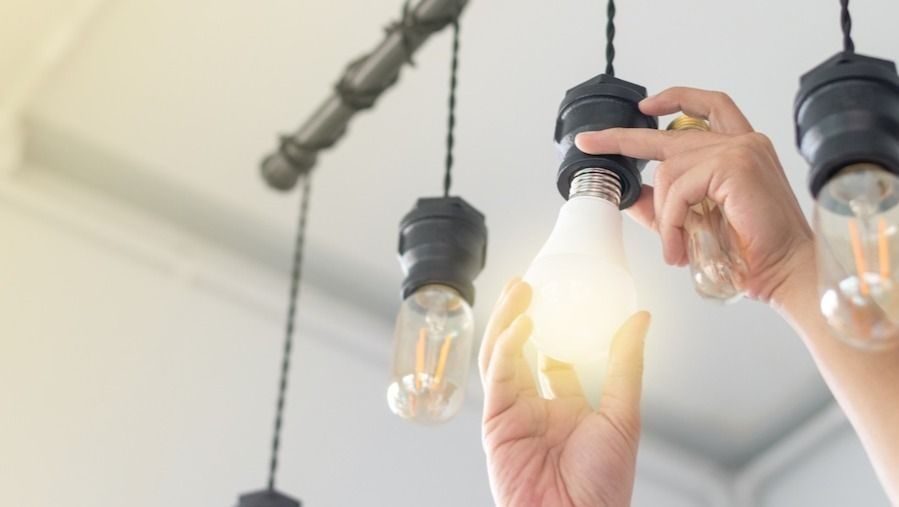
You turn on your heating system during a chilly Houston morning, and suddenly the lights in your home flicker or briefly dim. While this might seem like a minor inconvenience, it can leave you wondering whether your heater is operating normally or if something is wrong with your home’s electrical system.
For homeowners throughout Houston, Katy, Sugar Land, and surrounding communities, flickering lights may become more noticeable when heating equipment starts operating during winter cold fronts. Sometimes, a brief change in brightness is normal electrical demand, but persistent or severe flickering can signal a problem that needs professional attention.
In this guide, we’ll explain why lights flicker when the heater turns on, which electrical problems may be responsible, and when Houston homeowners should contact an electrician for professional troubleshooting.
What Happens Electrically When Your Heating System Starts?
When your heating system starts, certain components need electricity to operate. Depending on the equipment installed in your home, this may include blower motors, compressors, fans, and electric heating elements.
Some electric motors draw more current at startup than during normal operation. This temporary increase in electrical demand can cause a small voltage drop, which may briefly dim connected lights.
Voltage is the electrical pressure supplied to household equipment, while current is the flow of electricity through a circuit. When equipment draws extra current, resistance and impedance in the electrical system can cause temporary voltage changes.
Several factors influence how noticeable these changes become:
-
Equipment type: Heat pumps, gas furnaces, and electric heating systems have different electrical requirements.
-
Motor startup demand: Compressors and blower motors may draw additional current when starting.
-
Electrical system condition: Loose connections or deteriorating components can contribute to voltage fluctuations.
-
Circuit configuration: How equipment and lighting circuits are supplied can affect voltage changes.
-
Existing electrical demand: Other appliances running at the same time may affect overall household loads.
A small voltage dip doesn’t automatically indicate a dangerous electrical problem. However, significant or repeated fluctuations warrant evaluation to determine whether the heating equipment or electrical system needs attention.
Is It Normal for Lights to Dim Briefly When the Heat Turns On?
Household lights can briefly dim when certain heating equipment starts. This is particularly noticeable with systems that use compressors or larger electric motors.
For example, a heat pump compressor may briefly draw additional current during startup. Depending on the home’s electrical system, this can cause a temporary voltage dip that dims the lights.
However, not all flickering is normal. The duration, severity, and frequency of the problem can help determine whether you need professional troubleshooting.
A brief, consistent dimming event may be less concerning than lights that repeatedly flicker while the heater operates. Similarly, flickering that becomes more noticeable over time may suggest a developing electrical or equipment problem.
If your lights become unusually bright, dim significantly, or fluctuate across multiple rooms, contact a qualified electrician. These symptoms may indicate voltage instability or connection problems that require prompt evaluation.
Common Electrical Problems That Cause Lights to Flicker When the Heat Starts
Although heating equipment can create temporary electrical demand during startup, persistent flickering may indicate an underlying electrical problem. Identifying the cause matters because several issues can produce similar symptoms.
One possibility is a loose electrical connection. Deteriorated or unstable connections can cause voltage fluctuations when electrical loads change.
Other potential causes include:
-
Overloaded circuits: Excessive demand on a circuit can cause voltage drops or other electrical problems.
-
Deteriorating wiring: Damaged conductors or connections can interfere with reliable electrical performance.
-
Electrical panel problems: Aging or damaged components may affect how electricity is distributed throughout the home.
-
Improper circuit configuration: Heating equipment may require dedicated circuits or other electrical corrections.
-
HVAC equipment problems: A malfunctioning motor or compressor may draw abnormal current.
-
Utility voltage fluctuations: Problems originating outside the home can sometimes affect lighting throughout the property.
These issues require different solutions. For example, repairing a loose connection differs significantly from correcting an overloaded circuit or diagnosing a malfunctioning HVAC compressor.
Flickering lights don’t automatically mean you need to replace your electrical panel. A professional electrician can determine whether the problem involves a specific connection, circuit, equipment component, or the home’s broader electrical system.
Why the Type of Heating System Matters
Not every heating system places the same demands on your home’s electrical system. Knowing what equipment is installed in your Houston home can help explain why lights may flicker when heating begins.
Gas furnaces primarily use natural gas to produce heat, but they still require electricity for components such as the blower motor, ignition system, and controls. A blower motor starting may create a temporary electrical load, although the demand differs from that of an electric heating system.
Heat pumps use electricity to move heat rather than generate it through combustion. Their compressors and fans can create noticeable startup demand, especially when larger motors start up.
Electric resistance heating systems use electrical heating elements to generate warmth. These systems can draw substantial current during operation, though resistance elements don’t produce the same motor-startup surge as compressors.
Some heat pumps also use supplemental electric resistance heating during colder conditions. When these elements activate, the added electrical demand may cause voltage changes.
Because heating systems operate differently, identifying the equipment type is an important part of troubleshooting. An electrician can evaluate the electrical supply and determine whether additional HVAC diagnostics are necessary.
Warning Signs That Flickering Lights Could Indicate an Electrical Hazard
Occasional brief dimming may not indicate an immediate problem, but certain symptoms deserve prompt professional attention. Electrical issues can become dangerous when damaged wiring, loose connections, or overheating components remain unaddressed.
Pay particular attention if flickering occurs alongside other unusual electrical behavior.
Warning signs include:
-
Frequent breaker trips: Circuit breakers repeatedly shut off when heating equipment operates.
-
Burning odors: A burning or melting smell appears near electrical equipment.
-
Buzzing or crackling: Unusual sounds come from outlets, switches, or the electrical panel.
-
Warm or discolored outlets: Electrical components show signs of excessive heat.
-
Severe brightness changes: Lights become unusually bright or dim across multiple rooms.
-
Persistent flickering: Lights keep fluctuating after the heating system starts.
These symptoms may indicate problems that require urgent electrical evaluation. Never ignore burning odors, visible sparking, or signs of overheating.
If you suspect an immediate electrical hazard, stop using the affected equipment when it is safe to do so and seek qualified assistance. Avoid touching damaged components or opening an electrical panel to investigate.
What Can Houston Homeowners Safely Check Before Calling an Electrician?
If your lights flicker when the heat turns on, a few simple observations can help an electrician diagnose the problem. Homeowners don’t need to open electrical equipment or perform voltage testing to gather useful information.
Start by noting exactly when the flickering occurs. Does it happen only when the heating system starts, or does it continue while the equipment is running?
Consider these questions:
-
Does the flickering affect one room or several areas of the house?
-
Do the lights dim briefly or repeatedly change brightness?
-
Does the problem occur with other large appliances?
-
Have any circuit breakers tripped recently?
-
Has the flickering become more noticeable over time?
-
Does the issue occur during heating, cooling, or both?
These observations can help distinguish between equipment startup demand and broader electrical problems.
However, homeowners should never remove electrical panel covers, tighten wiring connections, or attempt electrical repairs without proper training. Electrical troubleshooting may involve energized components that present serious shock and fire hazards.
How an Electrician Can Diagnose and Fix Heater-Related Flickering
Professional electrical troubleshooting focuses on identifying the source of voltage fluctuations rather than assuming a particular component is responsible. An electrician can evaluate the electrical system and determine whether the heating equipment is contributing to the problem.
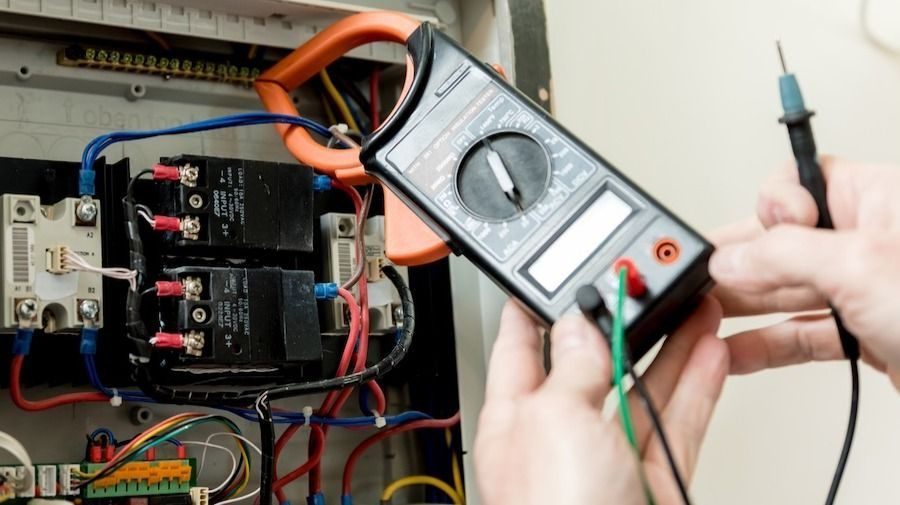
The inspection may include measuring voltage under different operating conditions, evaluating circuit loads, and checking accessible electrical connections. The electrician may also assess the electrical panel’s condition and identify signs of overheating or deterioration.
Depending on the findings, recommended solutions may include repairing damaged wiring, tightening loose connections, or correcting circuit configuration issues. In some cases, repairing or upgrading an electrical panel may be appropriate, but replacement isn’t automatically necessary.
If the electrical system appears to be operating properly, we may recommend additional HVAC testing. A malfunctioning compressor, blower motor, or other heating component can sometimes contribute to abnormal electrical demand.
For Houston homeowners, a professional diagnosis can identify the real problem and prevent unnecessary equipment replacements.
Get Professional Electrical Troubleshooting From West Houston Electric
Lights that briefly dim when your heating system starts aren’t always a sign of serious trouble. However, persistent flickering, unusual brightness changes, repeated breaker trips, and other electrical symptoms should be investigated before they become larger problems.
At West Houston Electric, we help homeowners throughout Houston and surrounding communities identify and resolve electrical concerns. Our team can evaluate flickering lights, inspect electrical panels, troubleshoot wiring problems, and recommend appropriate repairs.
Whether your lights flicker when the heater starts or you’ve noticed other changes in your home’s electrical performance, professional evaluation can help restore reliable operation. Contact West Houston Electric today to schedule electrical troubleshooting or an inspection and ensure your home’s electrical system is ready for Houston’s changing seasonal demands.
Get In Touch
Ready to Get Started?
Whether you need help with your existing electrical system or need installation of new wiring and devices, we’re up to the task! No project is too big or too small for our team.

