2026 Year Special - $50 off Any Service or Repair!


Signs It’s Time for a Panel Upgrade for Your Houston Home
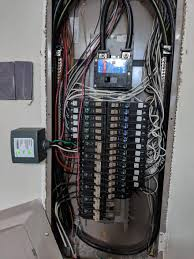
Your electrical panel distributes power throughout your home and helps protect each circuit from unsafe conditions. When the panel is damaged, overloaded, outdated, or unable to support new equipment, you may experience repeated breaker trips, flickering lights, heat, unusual sounds, or limits on future electrical upgrades.
In this guide, you will learn the most common signs that your Houston home may need an electrical panel upgrade. Some symptoms require an urgent inspection, while others indicate that your current service may no longer match your household’s electrical demand.
What Are the Main Signs You Need an Electrical Panel Upgrade?
An electrical panel may need to be upgraded when it cannot safely or reliably support the home’s circuits and equipment. Frequent breaker trips, heat, buzzing, corrosion, limited breaker space, and insufficient capacity for new appliances are common reasons to schedule an evaluation.
Watch for these warning signs:
- Breakers trip repeatedly
- The panel feels unusually warm
- You notice a burning or melting-plastic smell
- Buzzing or crackling comes from the panel
- Rust or water damage is visible
- Lights flicker throughout the home
- Breaker spaces are completely full
- The panel cannot support planned equipment
- Replacement breakers or parts are difficult to obtain
- Previous additions have left the panel crowded or poorly organized
These symptoms do not always mean the entire panel must be replaced. A licensed electrician should identify the cause and determine whether repair, circuit changes, or a complete upgrade is appropriate.
Why Do Your Circuit Breakers Keep Tripping?
Circuit breakers are designed to interrupt power when they detect conditions that could damage wiring or create a safety hazard. A breaker that trips occasionally because too many high-demand devices are running on one circuit may be responding correctly.
Repeated tripping can indicate:
- An overloaded circuit
- A short circuit
- A ground fault
- A damaged appliance
- Loose wiring
- A defective breaker
- Moisture in electrical equipment
- Insufficient panel capacity
Pay attention to when the breaker trips. A circuit that shuts off only when a particular appliance runs may have a load or equipment problem. Breakers that trip without a clear pattern may require more detailed testing.
Do not keep resetting a breaker without investigating the cause. Resetting restores power, but it does not repair damaged wiring, correct an overload, or eliminate an electrical fault.
Never replace a breaker with a higher-amperage model unless an electrician confirms that the circuit wiring and equipment can safely support it. Breaker ratings are selected to protect the wiring from excessive current.
Frequent trips do not automatically require a full panel replacement. The problem may be limited to one circuit, breaker, device, or appliance. However, widespread or recurring trips can indicate that the system needs a broader evaluation.
Why Is Heat, Buzzing, or a Burning Smell Near the Panel Dangerous?
An electrical panel should not produce strong odors, loud buzzing, crackling, smoke, or excessive heat. These warning signs may indicate loose connections, damaged breakers, electrical arcing, overheating conductors, or failing components.
Contact an electrician promptly if you notice:
- A burning smell near the panel
- An odor similar to melting plastic
- Smoke
- Visible sparks or arcing
- Scorch marks
- Loud buzzing or crackling
- A panel cover that feels unusually hot
- Breakers that appear discolored
- A breaker that will not stay reset
Do not remove the panel cover to search for the source. Energized components inside the panel can remain hazardous even when individual breakers are turned off.
When smoke, active arcing, or a strong burning odor is present, move away from the affected area and seek emergency help when necessary. Do not touch the panel if water is present or if the enclosure appears damaged.
A faint operating hum from some electrical equipment may be normal, but a new, loud, or persistent sound should be inspected. Changes in sound can indicate that a connection or component is no longer operating correctly.
Can Your Current Panel Support Your Home’s Electrical Demand?
Many Houston homes use more electricity today than they did when they were built. Larger appliances, home offices, electric vehicle chargers, outdoor living equipment, and upgraded HVAC systems can increase demand on the electrical service.
Common additions include:
- Electric vehicle chargers
- New central air conditioners or heat pumps
- Electric water heaters
- Pool or spa equipment
- Outdoor kitchens
- Workshop tools
- Additional refrigerators or freezers
- High-powered kitchen appliances
- Home additions
- Finished garages
- Standby generators
- Multiple computers and entertainment systems
A full panel does not always mean the service lacks capacity. It may indicate that there are no open spaces for new circuits, while the total electrical load remains acceptable. In other cases, both circuit space and service capacity may be limited.
An electrician may complete a load calculation to evaluate the home’s current and planned electrical demand. The main breaker size alone does not provide the full answer. Service conductors, panel ratings, equipment requirements, and existing loads must also be considered.
Not every home needs a 200-amp panel. The appropriate service size depends on the property and the equipment it supports. Some homes may benefit from a new subpanel, circuit reconfiguration, or load-management equipment instead of a complete service upgrade.
Is the Electrical Panel Damaged, Corroded, or Outdated?
Physical condition is one of the most important factors in deciding whether a panel should be repaired or replaced. Water, corrosion, heat, and loose components can affect the panel’s reliability and safety.
Visible concerns may include:
- Rust on the enclosure
- Corrosion around breakers
- Water stains
- Evidence of condensation
- A damaged or missing panel cover
- Loose breakers
- Open breaker spaces
- Missing protective fillers
- Burn marks
- Brittle or damaged wiring
- Poorly identified circuits
Water and electrical equipment are a dangerous combination. Roof leaks, plumbing leaks, exterior openings, condensation, and flooding can allow moisture to enter a panel. Even after the area dries, corrosion may continue affecting metal components and electrical connections.
Older equipment may also become difficult to service when compatible breakers and parts are no longer readily available. Age alone does not prove that a panel is unsafe, but age combined with damage, limited capacity, obsolete components, or repeated problems may make replacement more practical.
Do not rely only on a visual inspection from outside the enclosure. A licensed electrician can examine the panel, breakers, connections, grounding, bonding, and service equipment safely.
Do Flickering Lights or Dead Outlets Point to a Panel Problem?
Flickering lights and dead outlets can be related to the electrical panel, but they can also result from problems elsewhere in the home.
Possible causes include:
- A loose bulb
- A failing fixture
- A worn switch
- A tripped GFCI outlet
- A damaged receptacle
- Loose branch-circuit wiring
- An overloaded circuit
- Utility voltage fluctuations
- A loose connection in the panel
- A service connection problem
A single flickering light often points to the bulb, fixture, or switch. Flickering that affects several rooms or changes when large appliances operate may indicate a broader electrical issue.
Dead outlets may be connected to a tripped breaker or GFCI device. They may also have loose or damaged connections. Do not assume that an outlet is safe simply because it starts working again after a breaker reset.
Schedule an inspection when lights dim frequently, several circuits lose power, outlets feel warm, or power problems occur without an obvious cause. A technician can determine whether the source is the panel, branch wiring, a connected device, or the incoming electrical service.
Should You Upgrade the Panel Before Adding New Electrical Equipment?
Major electrical additions should be evaluated before installation. The existing panel may need more circuit spaces, greater capacity, or updated service equipment to support the new load.
Projects that may require panel or service changes include:
- Installing an EV charger
- Replacing gas appliances with electric models
- Adding a new air conditioner or heat pump
- Installing a pool or hot tub
- Building a home addition
- Remodeling a kitchen
- Adding an outdoor living area
- Installing workshop equipment
- Adding a standby generator
- Converting a garage into living space
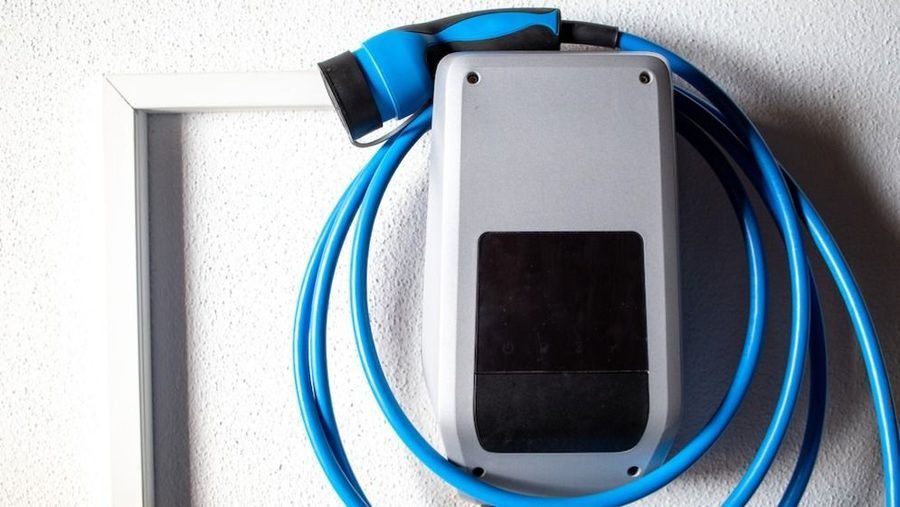
An EV charger, for example, may require a dedicated circuit with significant electrical demand. A new HVAC system may also have different voltage, breaker, and disconnect requirements than the equipment it replaces.
Plan the electrical work before purchasing major equipment. An electrician can review the manufacturer’s specifications, calculate the load, inspect the existing panel, and identify any permit or service changes.
Upgrading in advance can help avoid delays, unexpected costs, and temporary solutions that do not properly support the equipment.
Can the Panel Be Repaired, or Does It Need to Be Replaced?
Not every electrical problem requires a complete panel upgrade. Repair may be reasonable when the panel has adequate capacity and the issue is limited to a replaceable breaker, loose label, damaged cover, or another isolated component.
Repair may make sense when:
- The enclosure is in good condition
- There is no significant corrosion
- Compatible parts are available
- The service has adequate capacity
- The problem affects one circuit
- Future electrical needs are limited
- The panel can be restored safely
Replacement may be more practical when:
- The enclosure is damaged
- Water intrusion or corrosion is present
- Breaker spaces are exhausted
- Replacement parts are difficult to obtain
- Several components are failing
- The service cannot support planned loads
- The panel has been modified improperly
- The service entrance also needs replacement
An upgrade may involve more than installing a new breaker box. Depending on the property, the work can include service conductors, grounding, bonding, meter equipment, disconnects, permits, and utility coordination.
A written proposal should explain the recommended scope and identify whether the work is a panel replacement, service upgrade, subpanel installation, or circuit repair.
What Should an Electrician Check Before Recommending an Upgrade?
A panel upgrade recommendation should be supported by an inspection and a clear explanation of the home’s needs.
The evaluation may include:
- Existing service size
- Panel rating and condition
- Breaker condition
- Available circuit spaces
- Electrical load calculation
- Grounding and bonding
- Service entrance conductors
- Signs of overheating
- Evidence of water damage
- Circuit labeling
- Previous modifications
- Planned appliances and equipment
- Permit and inspection requirements
The electrician should also ask about future projects. A panel that supports the home today may not accommodate an EV charger, pool, addition, or new electric appliances planned for the next few years.
Request written options when more than one solution is available. A repair, subpanel, service upgrade, or load-management strategy may each have different costs and long-term benefits.
Prepare Your Houston Home for Safe, Reliable Power
Frequent breaker trips, burning odors, heat, buzzing, corrosion, flickering lights, and limited capacity can all signal that your electrical panel needs professional attention. Some problems may be solved with a repair, while damaged or undersized equipment may require a complete upgrade.
Do not remove the panel cover, increase breaker sizes, or continue resetting breakers that repeatedly trip. A licensed electrician can determine whether the problem involves one circuit, the panel, the service equipment, or the home’s total electrical demand.
West Houston Electric helps Greater Houston homeowners evaluate electrical panels, plan service upgrades, and prepare their homes for modern electrical equipment. When your panel shows warning signs or cannot support an upcoming project, contact us today to schedule an electrical inspection.
Get In Touch
Ready to Get Started?
Whether you need help with your existing electrical system or need installation of new wiring and devices, we’re up to the task! No project is too big or too small for our team.

