2026 Year Special - $50 off Any Service or Repair!


Beyond Power Strips: Protecting Your Houston Home Electronics from Storm Surges and Grid Spikes
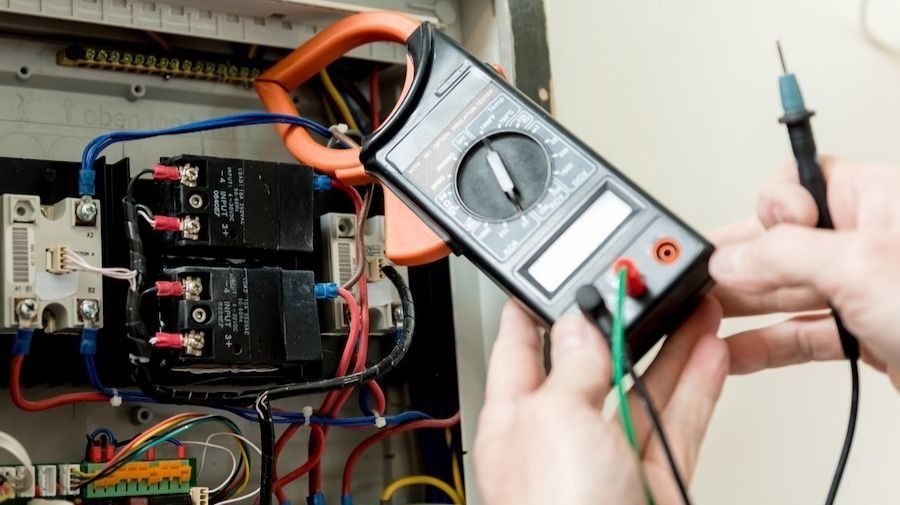
A thunderstorm rolls through Houston, the lights flicker, and your television, computer, HVAC system, and appliances all keep running. It is easy to assume everything is protected because a few devices are plugged into surge strips, but that may only cover part of the risk.
Power surges can come from storms, utility events, outages, and electrical activity inside the home. A plug-in surge protector can help protect individual devices, but broader protection usually requires a layered approach that includes the electrical system itself.
In this guide, we’ll explain what causes power surges, how plug-in and whole-home surge protection differ, which electronics are most vulnerable, and when Houston homeowners should consider professional surge protection at the electrical panel. The goal is not to promise that every surge can be stopped, but to reduce unnecessary exposure to damaging voltage spikes.
What Causes Power Surges in Houston Homes?
A power surge is a sudden increase in voltage that can travel through a home’s electrical system and affect connected equipment. Some surges are brief and minor, while others are strong enough to damage sensitive electronics or shorten appliance life.
Possible causes include:
-
Lightning-related electrical events
-
Utility switching
-
Grid disturbances
-
Power restoration after an outage
-
Equipment cycling on and off
-
Large motors or appliances
-
Problems within the home’s electrical system
Not every light flicker means a damaging surge occurred. However, repeated electrical disturbances can still be hard on equipment, especially devices that rely on sensitive circuit boards and electronic controls.
What Is the Difference Between a Power Strip and a Surge Protector?
A basic power strip simply gives you more outlets. It doesn’t necessarily include meaningful protection against voltage spikes, even though the two products can look almost identical.
A true surge protector includes components designed to limit or redirect certain transient voltage spikes before they reach connected devices. That means homeowners should check the product specifications instead of assuming every multi-outlet strip provides surge protection.
Plug-in surge protectors are useful for equipment such as:
-
Televisions
-
Computers
-
Gaming systems
-
Routers
-
Home office equipment
-
Entertainment systems
They are valuable at the device level, but they only protect what is plugged into them.
Why Are Plug-In Surge Protectors Not Enough by Themselves?
Point-of-use surge protectors protect individual outlets, but they don’t cover every electrical load in the house. Hardwired equipment and appliances may remain exposed to voltage spikes moving through the electrical system.
That can include:
-
HVAC equipment
-
Refrigerators
-
Dishwashers
-
Washing machines
-
Dryers
-
Ovens and ranges
-
Smart-home equipment
-
Other hardwired systems
This is where whole-home surge protection becomes important. Instead of protecting only one device, a panel-mounted surge protective device adds protection closer to where electricity enters and is distributed through the home.
The strongest strategy is often layered protection rather than relying on one device to do everything.
How Does a Whole-Home Surge Protector Work?
A whole-home surge protective device is typically installed at or near the main electrical panel. Its job is to limit certain sudden voltage spikes before they travel farther into the home’s branch circuits.
When a surge occurs, the device helps redirect excess voltage away from connected equipment. This doesn’t mean every surge disappears, but it can reduce the damaging energy that reaches appliances and electronics.
Whole-home surge protection is especially useful because modern homes have more electronics than ever. Even equipment that does not look like a computer may include control boards, processors, sensors, and digital components that can be vulnerable to voltage spikes.
What Can a Whole-Home Surge Protector Help Protect?
A whole-home surge protector can help reduce exposure for many types of electrical equipment throughout the house. That includes both plug-in electronics and appliances that cannot simply be connected to a desktop surge strip.
Examples include:
-
HVAC systems
-
Refrigerators
-
Freezers
-
Washers and dryers
-
Dishwashers
-
Smart appliances
-
Televisions
-
Computers
-
Internet and networking equipment
-
Home automation systems
-
Garage door openers
-
Other connected electronics
The value of surge protection grows as more home systems rely on sensitive electronics. Replacing a failed control board or appliance can be far more expensive than many homeowners expect.
Can a Surge Protector Stop Lightning Damage?
Surge protection can reduce the risk from certain lightning-related voltage spikes, but no surge protector can guarantee complete protection from every lightning event. A direct or extremely severe strike can overwhelm electrical protection systems.
This is an important expectation to set because surge protection reduces risk, not an absolute shield.
A layered approach can still help by combining:
-
Whole-home surge protection
-
Quality point-of-use surge protectors
-
Proper grounding and bonding
-
Professional electrical installation
-
Safe shutdown or unplugging practices when appropriate
The goal is to reduce the amount of surge energy that reaches your equipment and give sensitive electronics multiple layers of protection.
Can Grid Spikes Damage Electronics Even Without a Storm?
Yes. Power surges are not limited to thunderstorms or lightning.
Electrical disturbances can also occur when:
-
Utility equipment switches
-
Power is restored after an outage
-
Local electrical equipment changes load
-
Large motors start or stop
-
Electrical faults occur
-
Voltage fluctuates unexpectedly
These events may be less dramatic than lightning, but they can still affect sensitive equipment. Repeated smaller surges may also contribute to gradual wear over time, even when no single event causes immediate failure.
That is why surge protection should be considered a year-round electrical strategy rather than only a storm-season precaution.
Which Electronics Are Most Vulnerable to Power Surges?
Modern electronics are especially sensitive because many rely on circuit boards and digital controls. A surge doesn’t need to destroy an entire appliance to cause damage; one failed control component can make the equipment unusable.
Vulnerable equipment may include:
-
Smart televisions
-
Computers
-
Gaming systems
-
Routers and networking equipment
-
Smart thermostats
-
HVAC control boards
-
Refrigerators with electronic controls
-
Washers and dryers
-
Dishwashers
-
Smart-home hubs
-
Security systems
-
EV charging equipment
The more connected and electronically controlled your home becomes, the more valuable surge protection can be.
Should You Use Both Whole-Home and Plug-In Surge Protection?
Yes, using both can provide a stronger layered strategy.
A whole-home surge protector helps reduce surge energy at the electrical panel, while point-of-use protectors add another layer for particularly sensitive devices.
A practical approach might look like this:
-
Whole-home protection: Helps cover the electrical system broadly.
-
Plug-in surge protectors: Add protection for computers, TVs, gaming systems, and other electronics.
-
UPS battery backup: Can help certain devices stay powered briefly during outages and power disturbances.
-
Professional electrical evaluation: Helps confirm panel condition, grounding, bonding, and system compatibility.
No single device can eliminate every electrical risk. Multiple layers can provide better protection than relying on one power strip in the living room.
How Do You Know if Your Home Needs Better Surge Protection?
Many Houston homeowners may benefit from improved surge protection, especially if their homes contain expensive electronics or equipment with digital controls. The decision becomes more relevant when electrical disturbances are already part of your experience.
Consider professional surge protection if:
-
Your area experiences frequent storms
-
You have experienced previous surge damage
-
Your home contains expensive electronics
-
You rely on smart-home equipment
-
You have newer HVAC or appliance controls
-
Power outages or flickering occur regularly
-
You do not know whether your panel has surge protection
-
Your electrical system has not been evaluated recently
A surge protector is not a substitute for repairing electrical problems. If the home has loose connections, panel issues, grounding problems, or other defects, address those separately.
Does Surge Protection Wear Out Over Time?
Yes, surge protective devices can degrade as they absorb or redirect repeated voltage spikes. A device may still look normal while its protective ability has been reduced.
Some products include indicator lights or monitoring features that show whether protection is still active. Others should be inspected or replaced according to manufacturer recommendations.
Homeowners should:
-
Check indicator lights when applicable
-
Follow manufacturer replacement guidance
-
Replace damaged plug-in protectors
-
Have panel-mounted devices inspected when needed
-
Ask an electrician if surge protection status is unclear
If a significant electrical event occurs, it is also worth checking whether your surge protection is still functioning properly.
When Should You Call an Electrician About Surge Protection?
A qualified electrician should evaluate and install whole-home surge protection because it involves the electrical panel and the home’s broader electrical system. Homeowners should not attempt this work by opening the panel and connecting equipment themselves.
An electrician can evaluate:
-
Panel condition
-
Available space
-
Grounding and bonding
-
Electrical service
-
Existing surge protection
-
Compatibility with the home
-
Appropriate device placement
Professional installation also helps identify other electrical issues that could affect safety or performance.
Protect Your Houston Home With West Houston Electric
Power strips can be useful, but they are only one piece of a complete surge-protection strategy. Houston homeowners dealing with storms, outages, utility disturbances, and modern electronic equipment can benefit from thinking about protection at both the device level and the electrical panel.
Whole-home surge protection, quality plug-in protectors, and a properly maintained electrical system can work together to reduce exposure to damaging voltage spikes. No system can guarantee protection from every lightning strike or grid event, but layered protection can significantly improve your home’s electrical preparedness.
West Houston Electric can evaluate your electrical system, recommend appropriate surge protection, and install whole-home solutions designed around your home’s needs. If you want more protection for your electronics, appliances, and HVAC equipment, contact us today to schedule professional electrical service.
Get In Touch
Ready to Get Started?
Whether you need help with your existing electrical system or need installation of new wiring and devices, we’re up to the task! No project is too big or too small for our team.

